
Check out our full list of publications here
Check out our recently led publications
Learn more about our papers with Science Explained
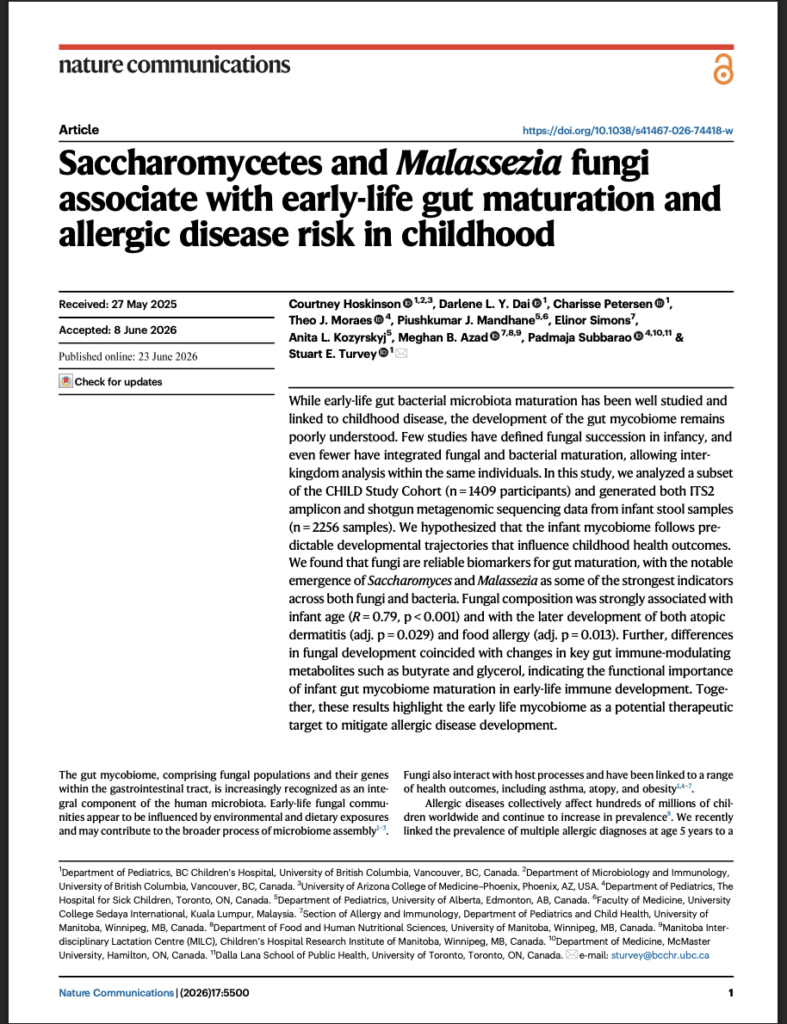
Saccharomycetes and Malassezia fungi associate with early-life gut maturation and allergic disease risk in childhood.
Tracking gut fungi in infants shows that a normal shift from Malassezia to Saccharomyces early in life predicts a lower risk of developing atopic dermatitis and food allergy by age five.
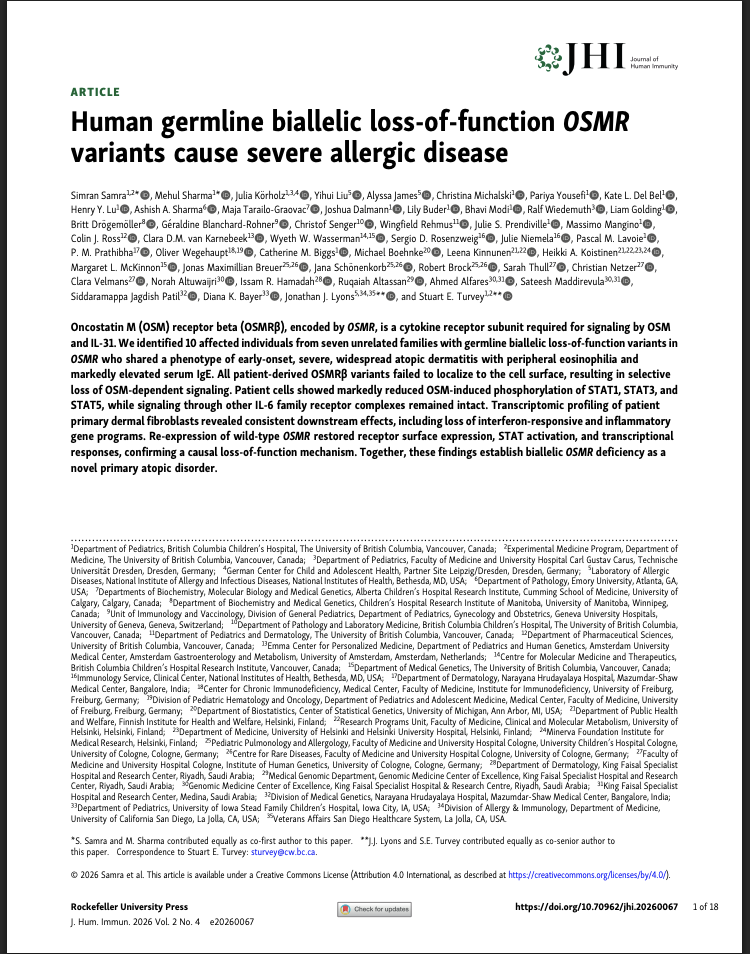
Human germline biallelic loss-of-function OSMR variants cause severe allergic disease
Loss-of-function mutations in both copies of the OSMR gene block a cytokine receptor’s signaling pathway, causing a newly identified inherited disorder marked by severe eczema, high eosinophils, and sky-high IgE from early childhood.
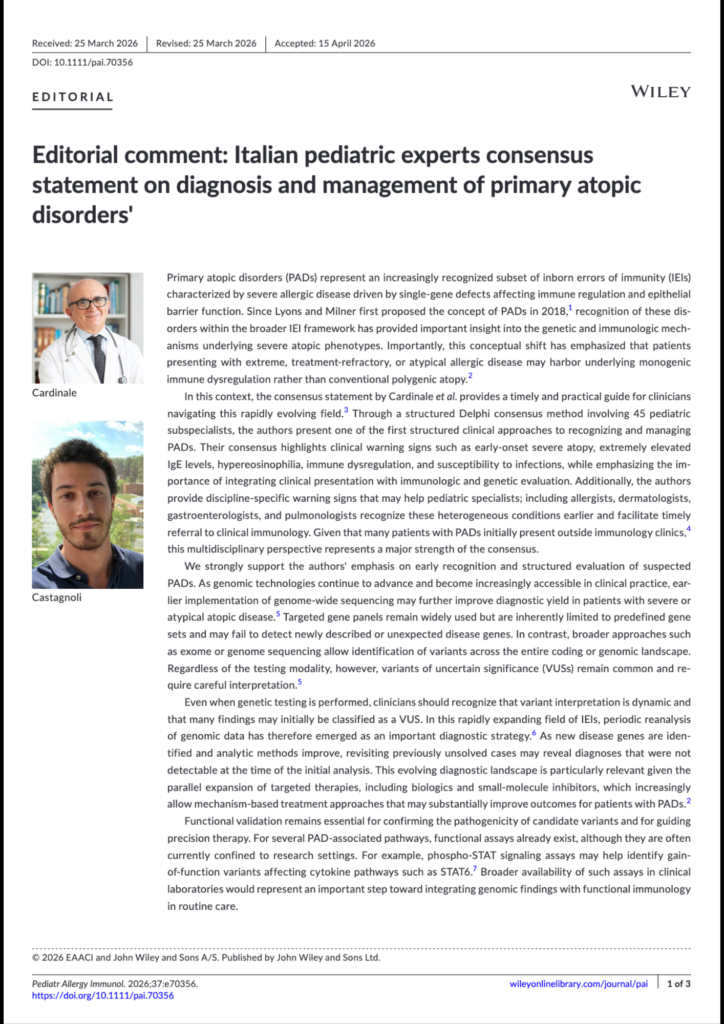
Editorial comment: Italian pediatric experts consensus statement on diagnosis and management of primary atopic disorders’
This editorial backs a new Italian consensus statement that gives pediatricians a practical checklist of red flags to catch rare genetic atopic disorders that get mistaken for ordinary allergies.
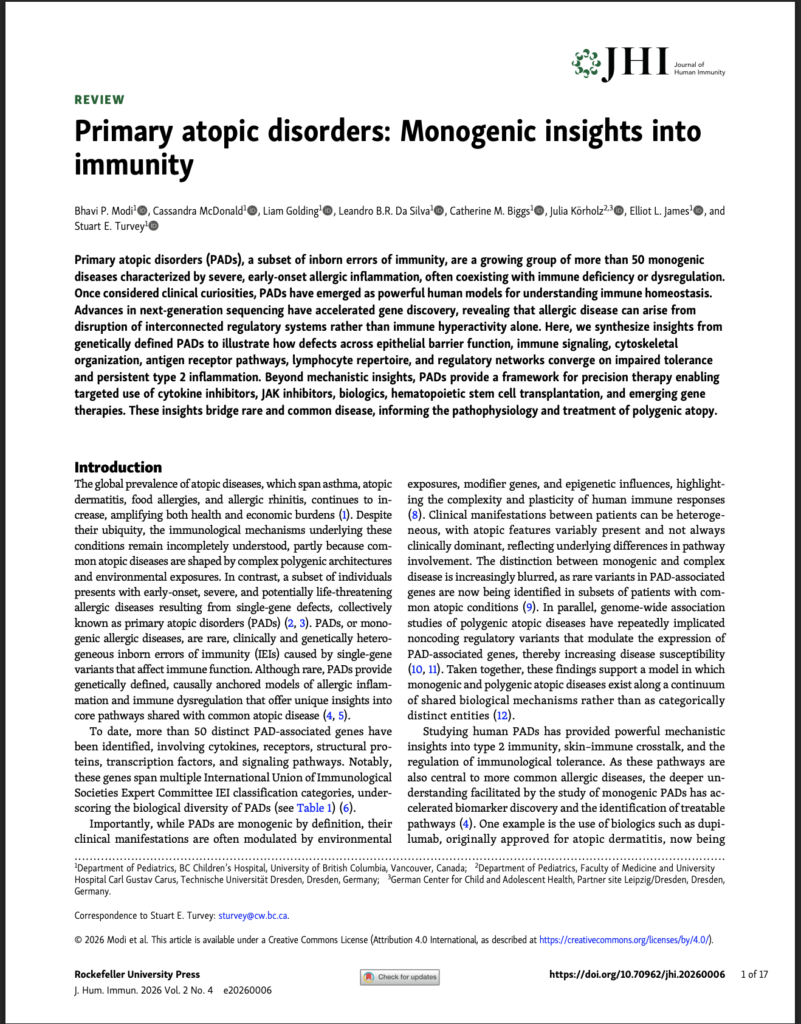
Primary atopic disorders: Monogenic insights into immunity
This review explores how rare inherited allergic disorders reveal the genetic and immune mechanisms behind severe allergies, helping advance precision treatments for both rare and common atopic diseases.
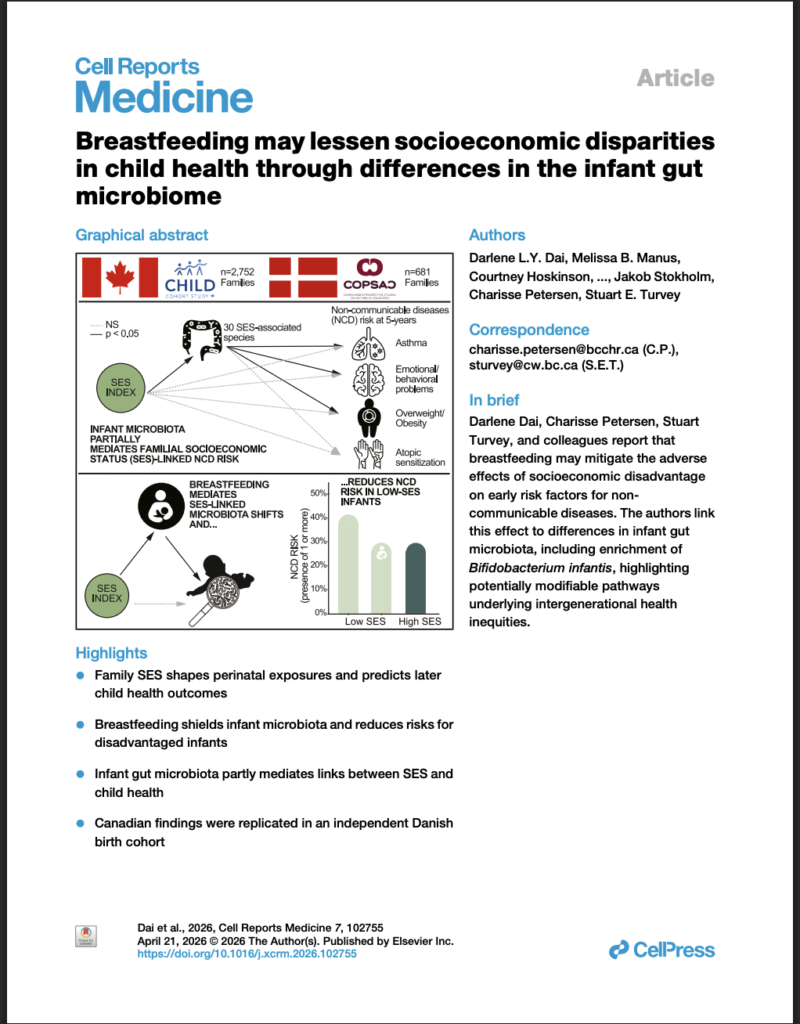
Breastfeeding may lessen socioeconomic disparities in child health through differences in the infant gut microbiome.
Breastfeeding buffers the biological health impacts of low socioeconomic status in children by stabilizing the infant gut microbiota through B. infantis enrichment.
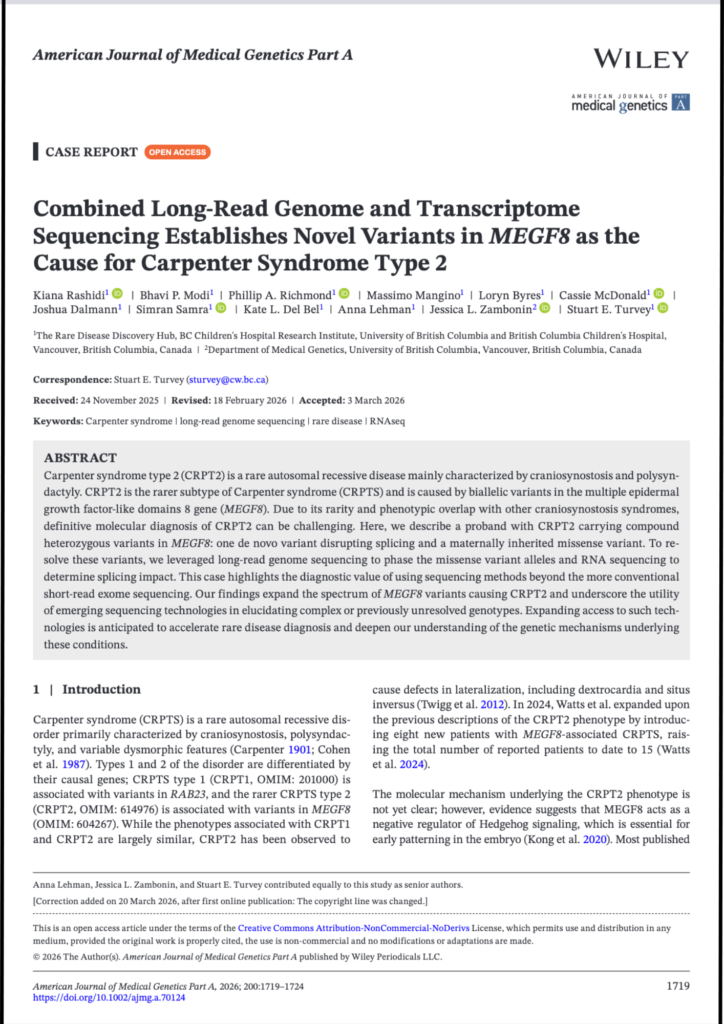
Combined Long-Read Genome and Transcriptome Sequencing Establishes Novel Variants in MEGF8 as the Cause for Carpenter Syndrome Type 2
Long-read genome and RNA sequencing resolved a complex MEGF8 genotype in a rare Carpenter syndrome type 2 case, underscoring the diagnostic value of emerging sequencing technologies beyond conventional exome sequencing.
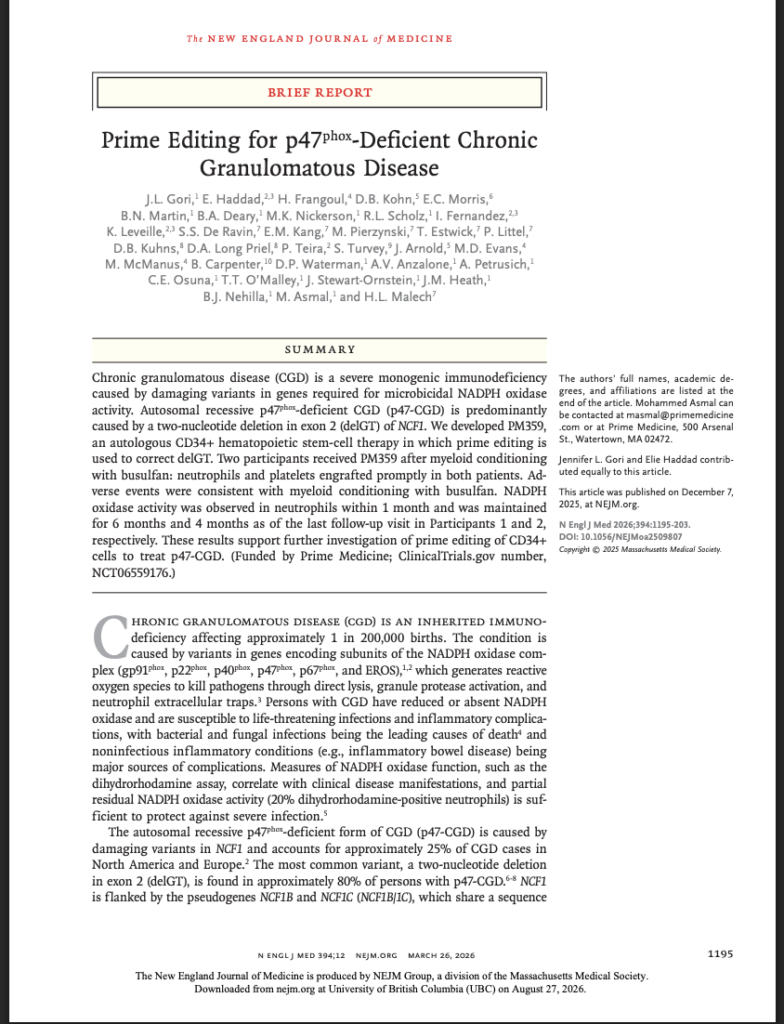
Prime Editing for p47phox-Deficient Chronic Granulomatous Disease
Prime editing of autologous CD34+ hematopoietic stem cells restored NADPH oxidase activity in two patients with p47-CGD, providing early clinical proof-of-concept for this gene correction approach.
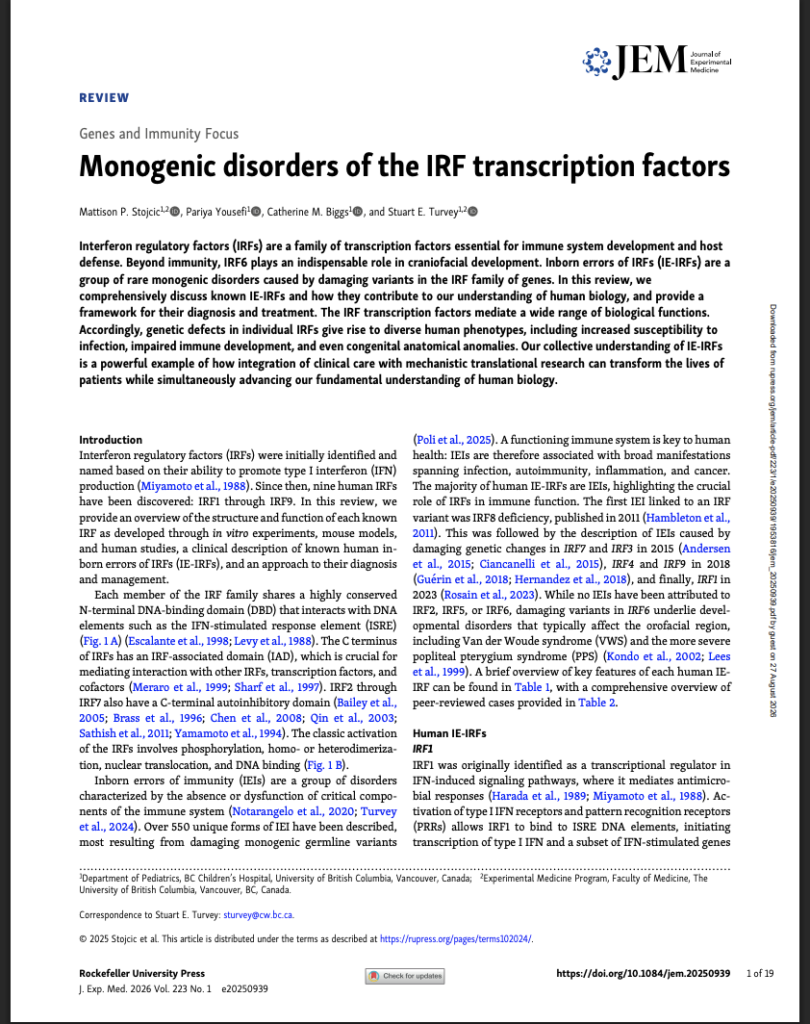
Monogenic disorders of the IRF transcription factors
Inborn errors of IRF transcription factors produce diverse immune and developmental phenotypes, and their study exemplifies how clinical and translational research together advance both patient care and fundamental human biology.
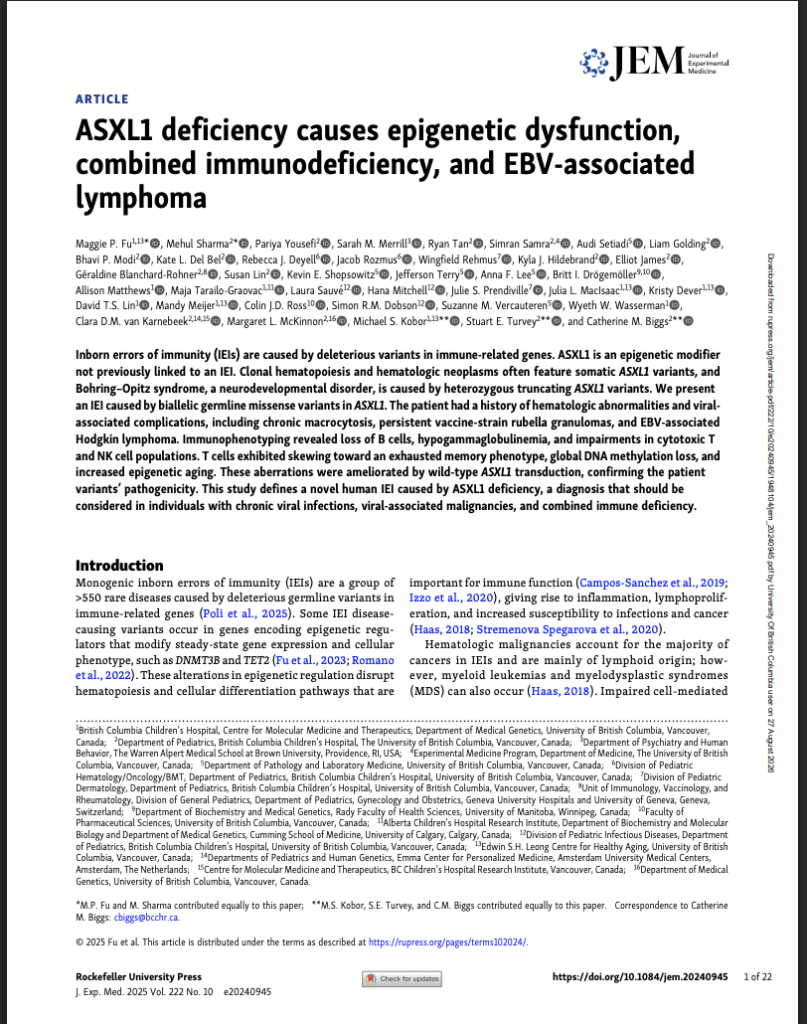
ASXL1 deficiency causes epigenetic dysfunction, combined immunodeficiency, and EBV-associated lymphoma
Biallelic germline variants in ASXL1, an epigenetic modifier not previously linked to immune disease, define a novel inborn error of immunity characterised by B cell loss, T cell exhaustion, and susceptibility to viral infections and associated malignancies.
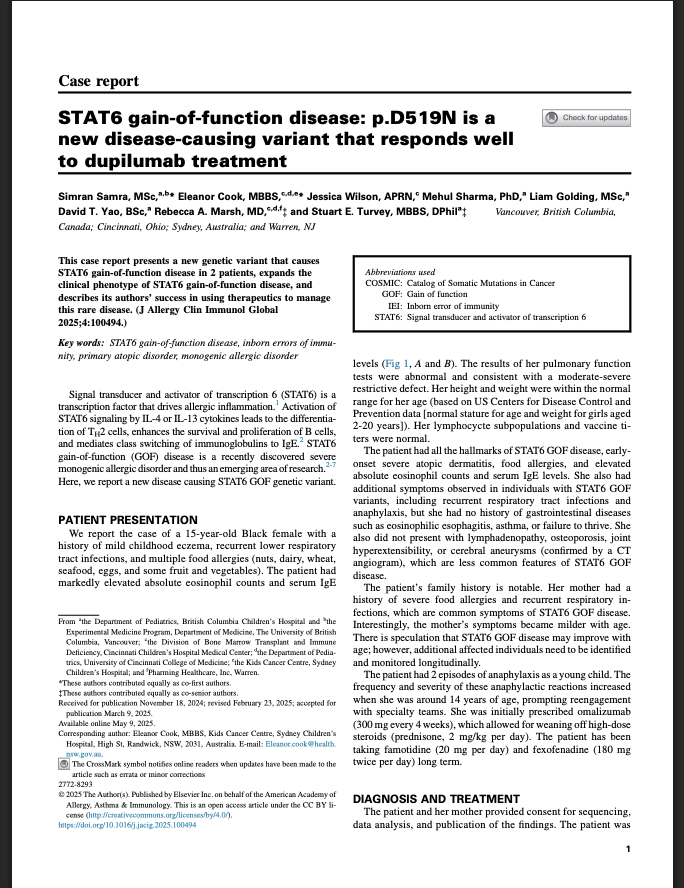
STAT6 gain-of-function disease: p.D519N is a new disease-causing variant that responds well to dupilumab treatment.
A novel STAT6 gain-of-function variant expands the clinical phenotype of this rare disease and reports successful therapeutic management in two patients.
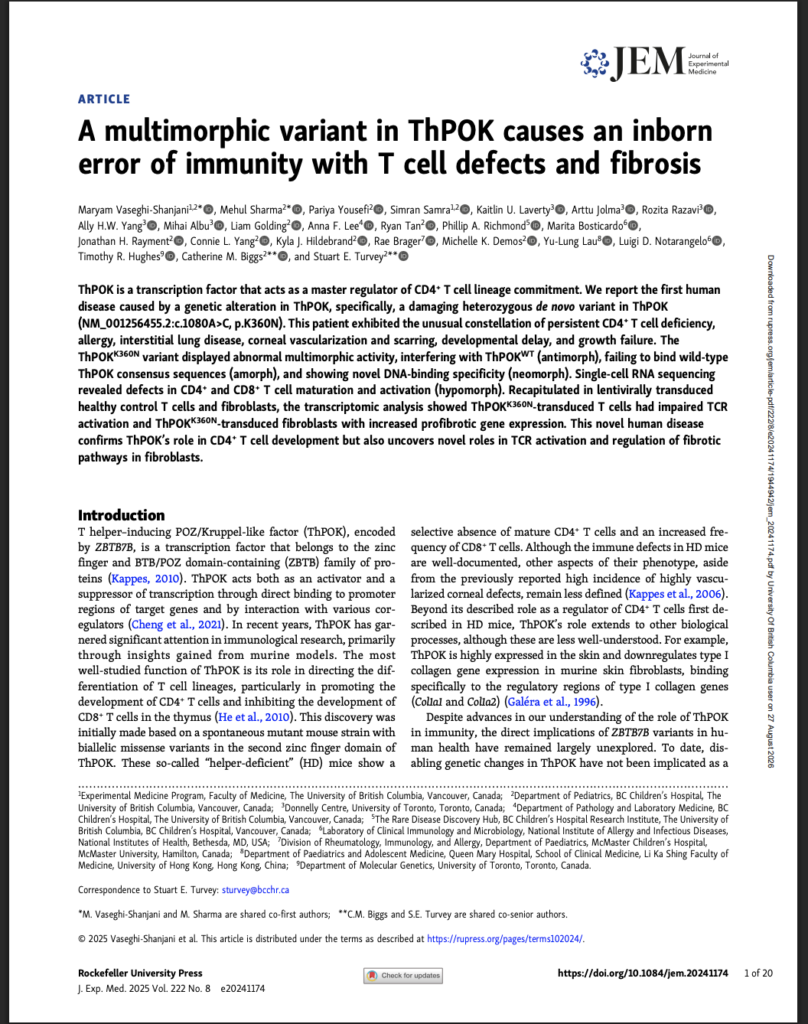
A multimorphic variant in ThPOK causes an inborn error of immunity with T cell defects and fibrosis.
A de novo ThPOK variant with complex multimorphic activity causes the first reported human disease linked to this master CD4+ T cell regulator, presenting as T cell deficiency, allergy, interstitial lung disease, and fibrosis.
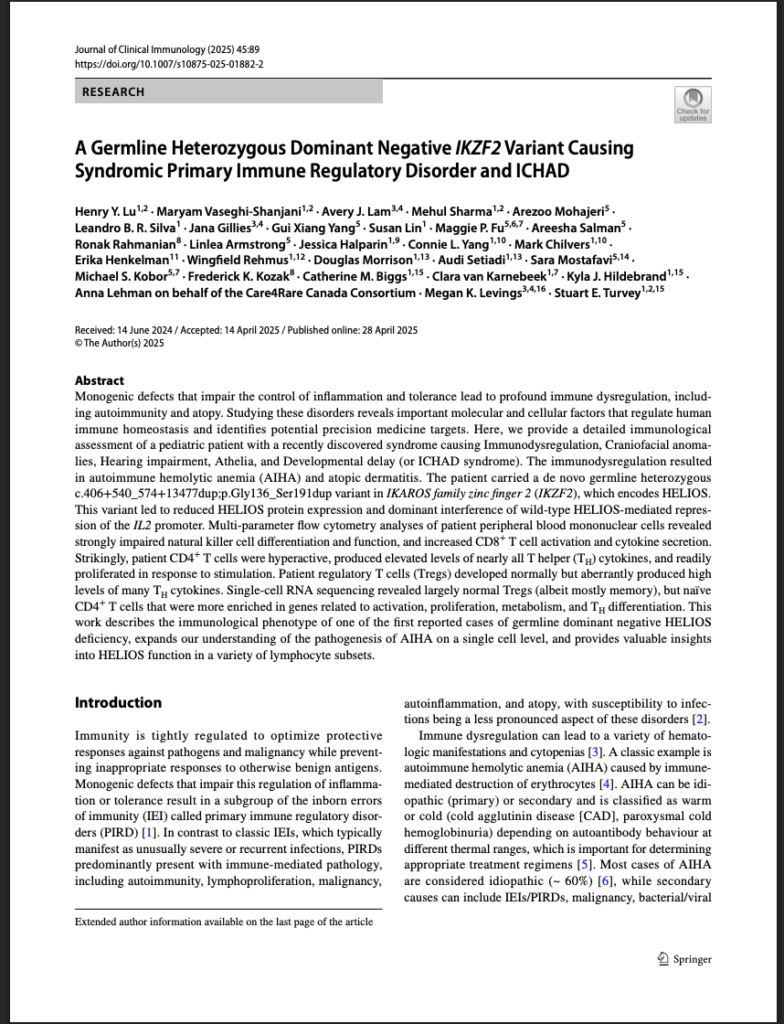
A Germline Heterozygous Dominant Negative IKZF2 Variant Causing Syndromic Primary Immune Regulatory Disorder and ICHAD.
A germline dominant-negative HELIOS (IKZF2) variant underlying ICHAD syndrome drives broad immune dysregulation, including hyperactive CD4+ T cells, aberrant Tregs, and NK cell deficiency, illuminating HELIOS’s role in human immune homeostasis and tolerance
Primary atopic disorders: inborn errors of immunity causing severe allergic disease.
Over 48 single-gene defects can cause primary atopic disorders, and recognising these monogenic allergic diseases, distinct from common polygenic atopy, is critical for accurate diagnosis and targeted treatment.
How the early life microbiome shapes immune programming in childhood asthma and allergies.
The infant gut microbiome shapes early immune development, and disruptions to its maturation and composition are increasingly linked to the rising prevalence of pediatric allergic disease pointing toward microbiome-targeted prevention and treatment strategies.
Reduce, reinforce, and replenish: safeguarding the early-life microbiota to reduce intergenerational health disparities
Early-life microbiota plays a major role in shaping health across generations, and protecting its healthy development may help reduce long-term health inequalities.
JAK-STAT signaling pathway,
immunodeficiency, inflammation, immune dysregulation, and inborn errors of immunity
The JAK-STAT signaling pathway regulates immune function, and genetic defects that disrupt its activity are increasingly linked to immunodeficiency, inflammation, and immune dysregulation.
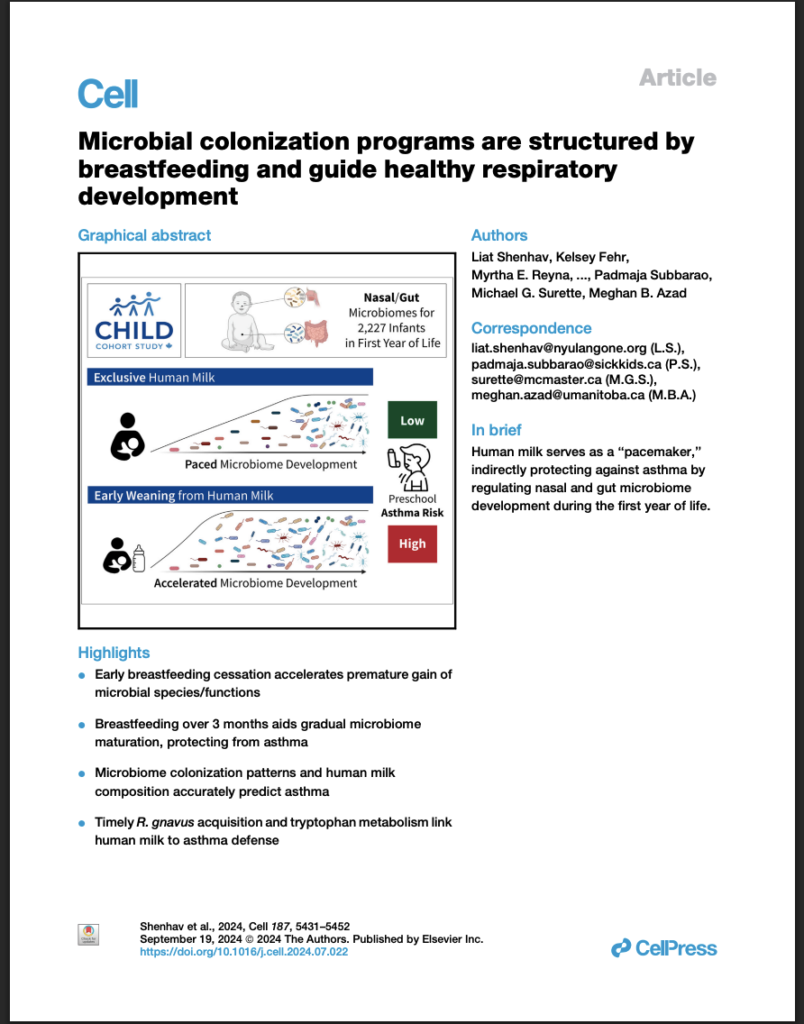
Microbial colonization programs are structured by breastfeeding and guide healthy respiratory development
Early microbial colonization is shaped by breastfeeding, and disruptions to this developmental process are increasingly linked to respiratory illness and childhood asthma.
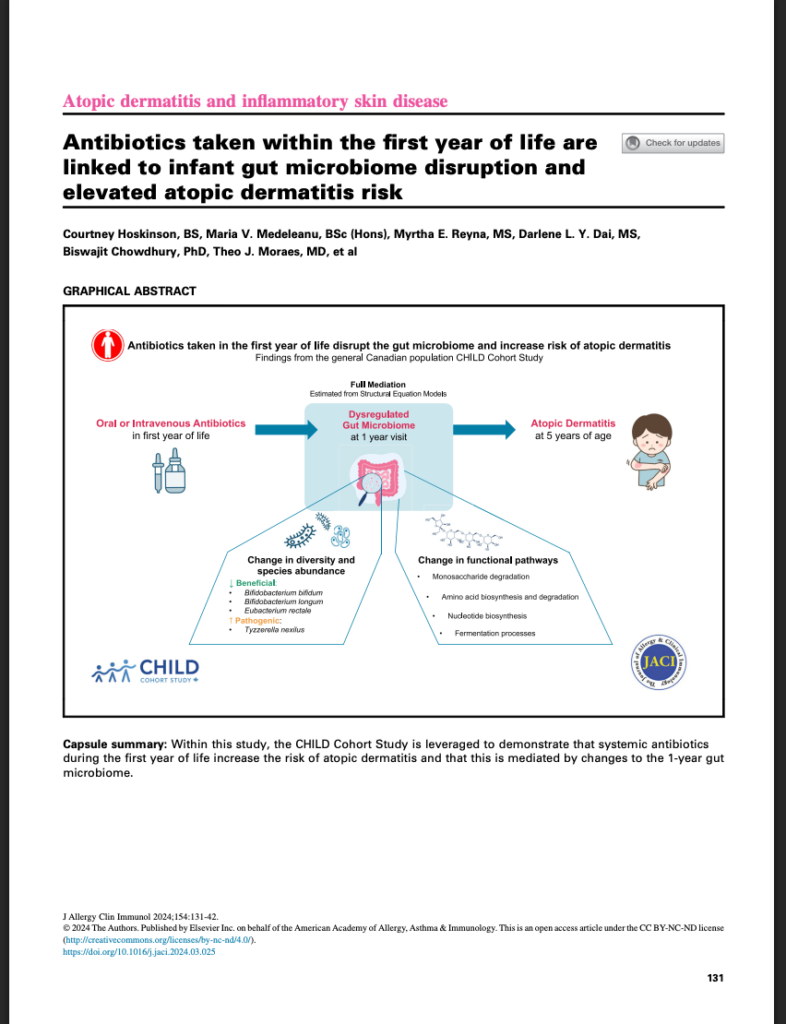
Antibiotics taken within the first year of life are linked to infant gut microbiome disruption and elevated atopic dermatitis risk
Antibiotic use during the first year of life can disrupt the infant gut microbiome, and these early changes are linked to an increased risk of developing atopic dermatitis.
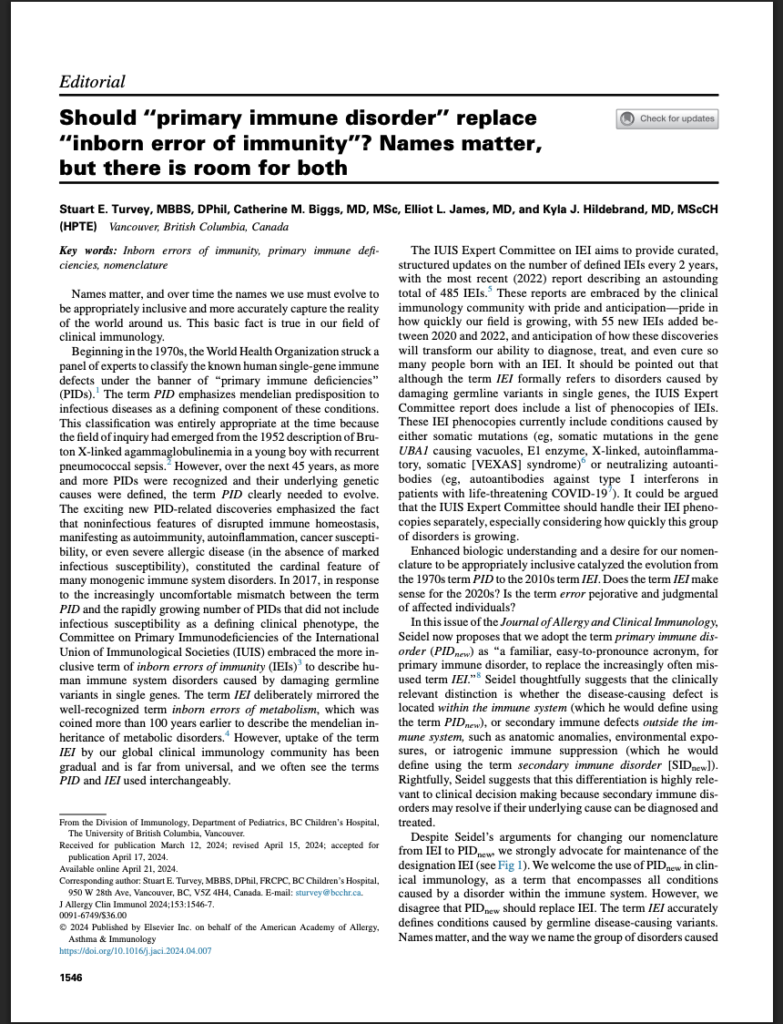
Should “primary immune disorder” replace “inborn error of immunity”? Names matter, but there is room for both
Advances in the understanding of immune disorders have sparked debate over whether current terminology accurately reflects the diversity and genetic basis of these conditions.
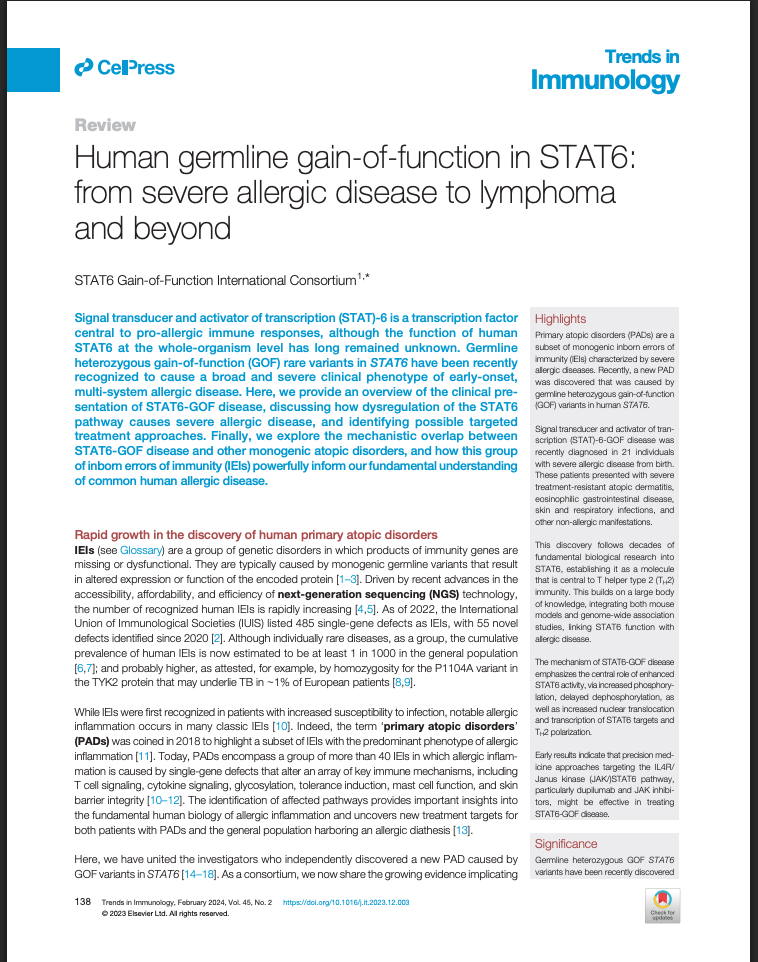
Human germline gain-of-function in STAT6: from severe allergic disease to lymphoma and beyond
STAT6 plays a central role in allergic immune responses, and gain-of-function variants that disrupt its regulation are linked to severe multisystem allergic disease.
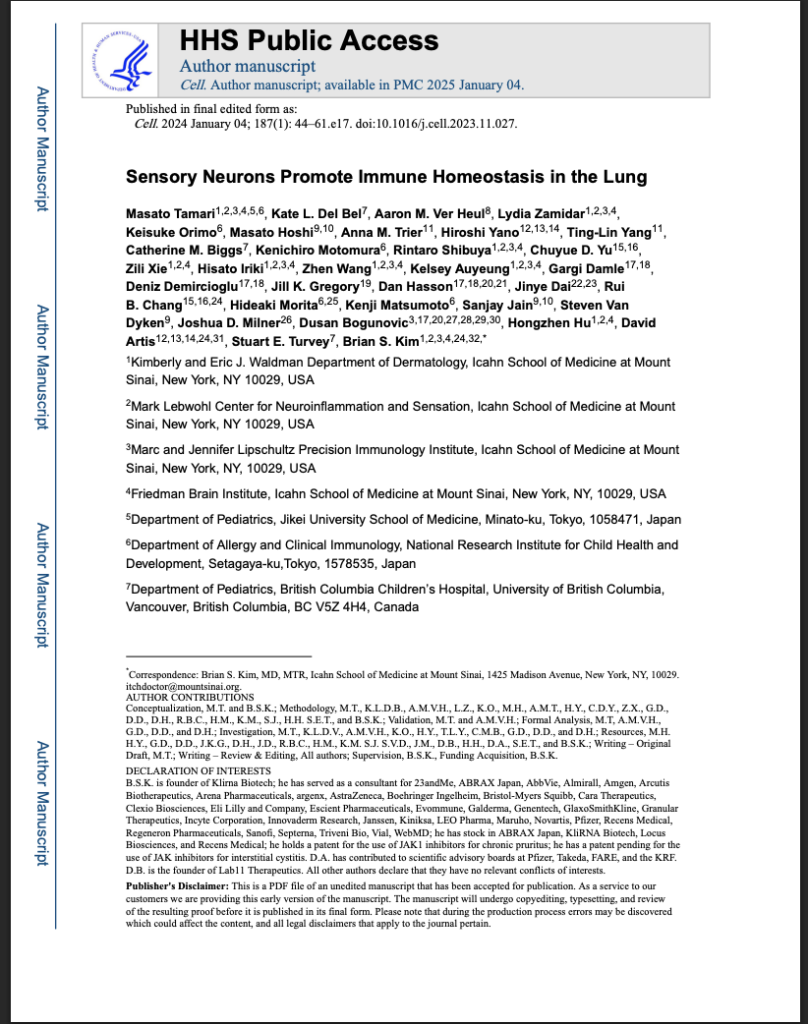
Sensory neurons promote immune homeostasis in the lung
Interactions between sensory neurons and the immune system help maintain lung homeostasis, revealing new pathways that regulate airway inflammation and allergic disease.
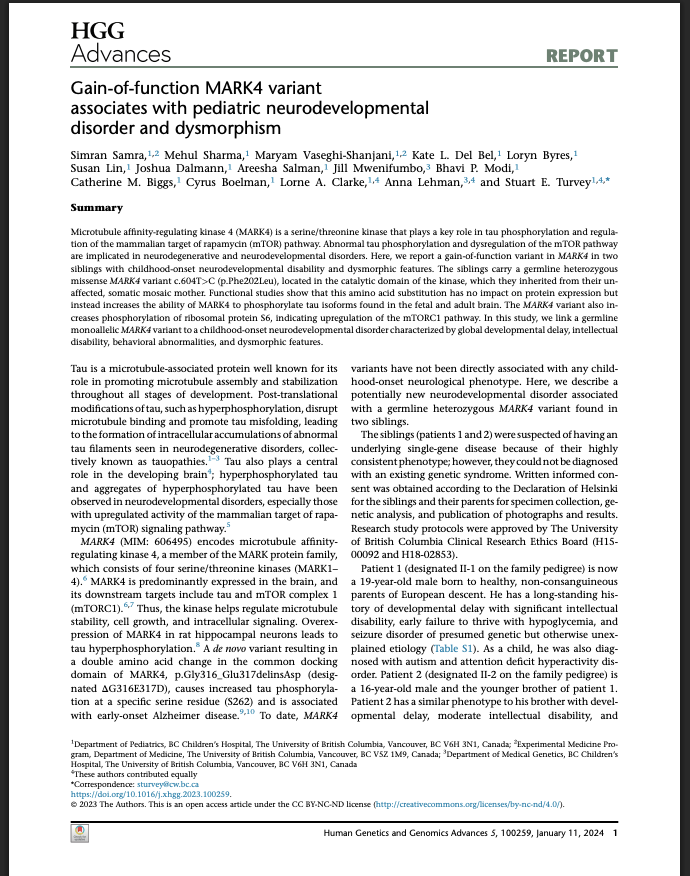
Gain-of-function MARK4 variant associates with pediatric neurodevelopmental disorder and dysmorphism
MARK4 plays an important role in brain development, and gain-of-function variants that alter its activity are linked to neurodevelopmental disorders and dysmorphic features.
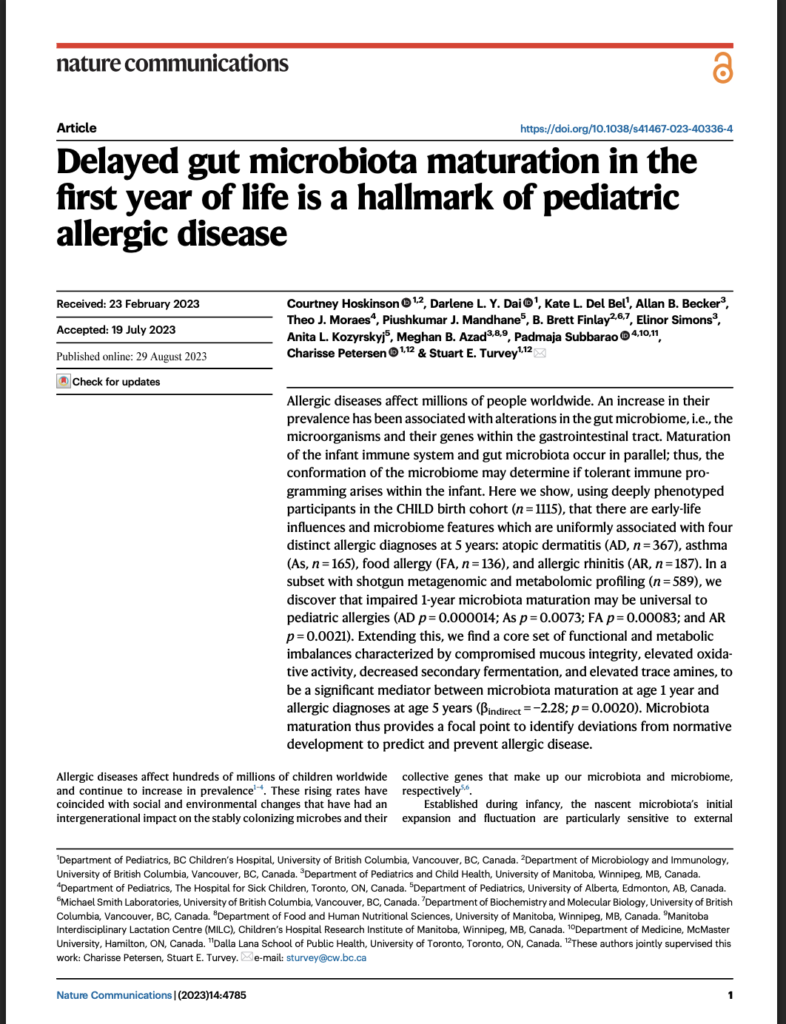
Delayed gut microbiota maturation in the first year of life is a hallmark of pediatric allergic disease
Healthy gut microbiota maturation during the first year of life supports immune development, while delays in this process are associated with an increased risk of pediatric allergic disease.
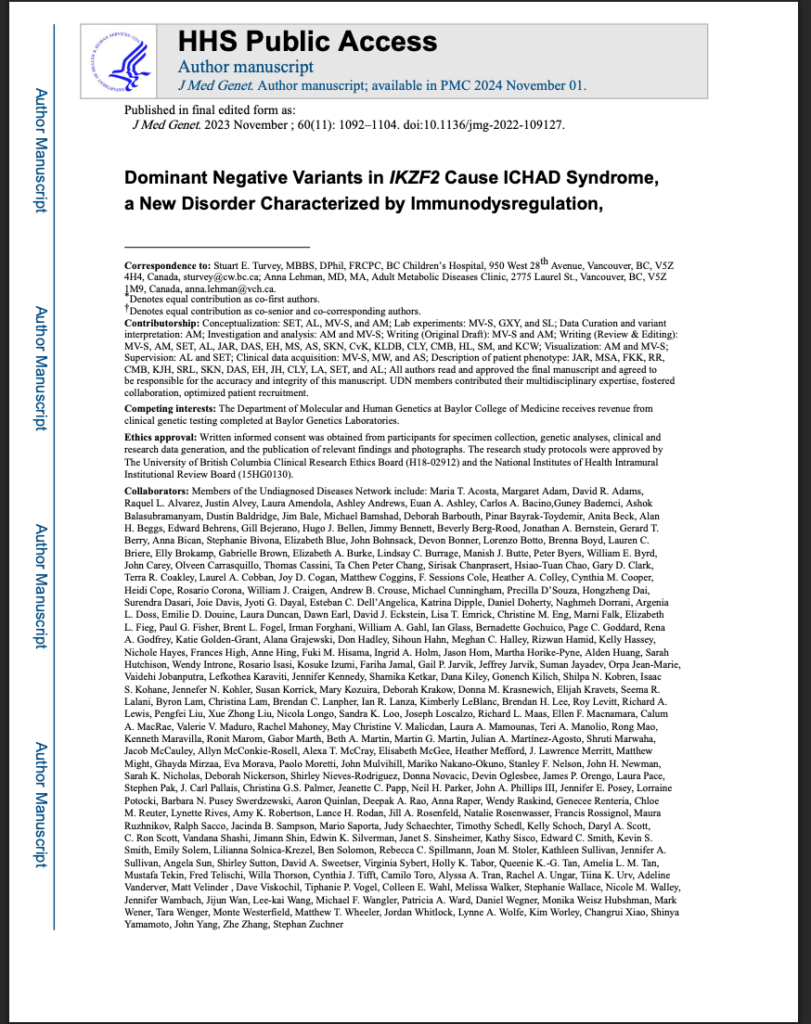
Dominant negative variants in IKZF2 cause ICHAD syndrome, a new disorder characterised by immunodysregulation, craniofacial anomalies, hearing impairment, athelia and developmental delay
IKZF2 helps regulate immune function and embryonic development, and variants that disrupt its activity are linked to a newly identified disorder affecting immunity, growth, and development.
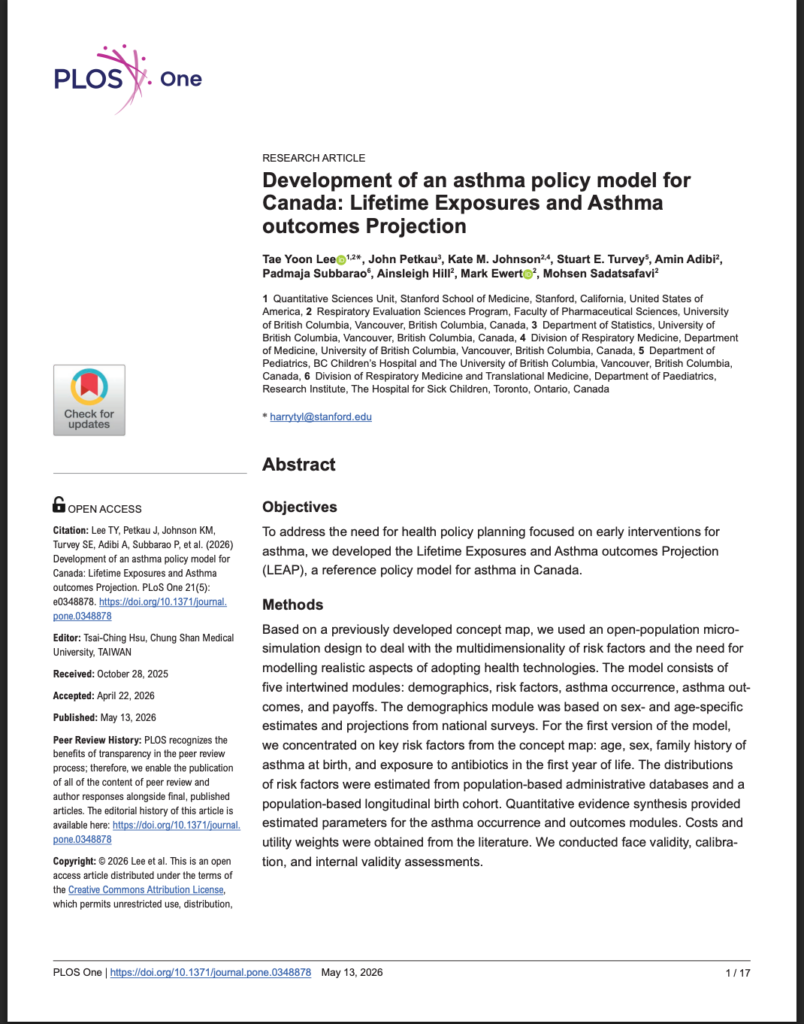
Development of an asthma policy model for Canada: Lifetime Exposures and Asthma outcomes Projection
The LEAP model is Canada’s first asthma policy simulation tool designed to predict how lifetime risk factors and early interventions affect asthma outcomes and healthcare costs over time.